
Alcohol Use Disorder
Medically supervised alcohol detox and residential care for people who find it hard to stop or cut back on drinking.
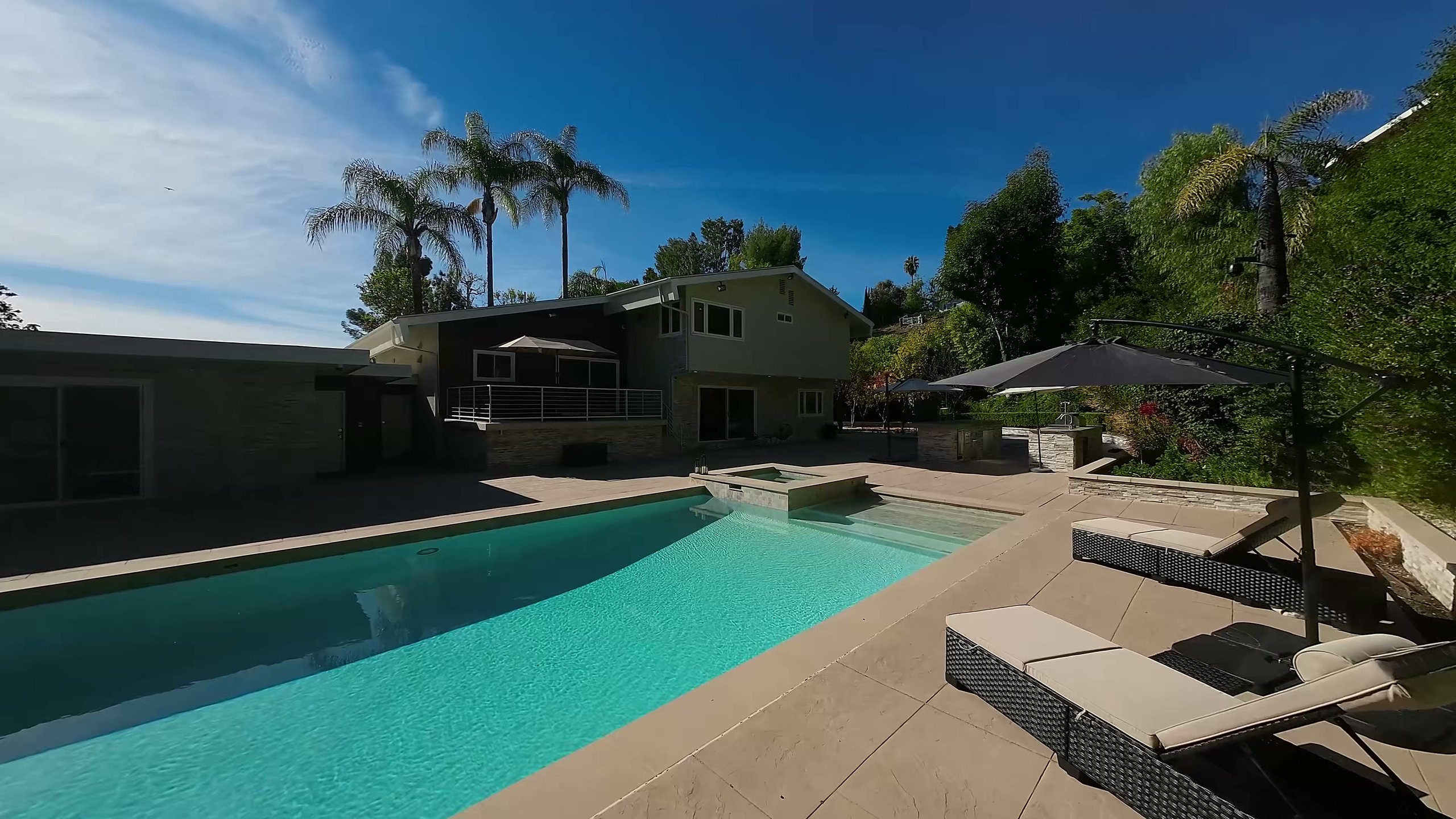
Program
Sometimes the only way to get better is to step away from everything that keeps the cycle going. That takes courage, and you are already closer than you think.
Written by Serenity Moon Recovery editorial team
Reviewed by Serenity Moon Recovery editorial team
Residential treatment may be a good fit if alcohol or drug use has taken over much of your daily life, if outpatient care has not been enough, or if your home makes it hard to stay sober right now.
Many people come to residential treatment straight from medical detox. Your care team recommends the level of care that matches your needs, based on a full assessment.
Days in residential treatment have a steady rhythm, with time for therapy, learning, rest and connection. Your exact schedule follows your treatment plan. See the weekly group schedule below.
Days start with a fresh meal and a check-in with staff about how you slept and how you are feeling.
You meet one-on-one with a licensed therapist to look at what drives your substance use, using approaches such as cognitive behavioral therapy and motivational interviewing.
In small groups with peers, you practice coping skills, learn about addiction and recovery, and work on relapse prevention.
Yoga, meditation, art therapy and outings help you manage stress and rediscover things you enjoy.
When you are ready, family therapy and education help loved ones understand addiction, set healthy boundaries and learn how to support you.
Evenings are calmer, with a recovery meeting or alumni meeting and time to rest, reflect and connect with others in the house.
Groups run Monday through Friday. Clinical programming is 8:30 AM–3:00 PM, with lunch from 11:30 AM–12:00 PM. Evenings are for recovery meetings and the alumni meeting.
Monday
Tuesday
Wednesday
Thursday
Friday
Every weekday evening: Recovery Meeting
Every other week, this schedule replaces the standard Thursday groups.
| Time / session | Group or activity |
|---|---|
| 9:00–11:00 AM | Equine Therapy |
| 11:00–11:30 AM | Transition / Break |
| 11:30 AM–12:00 PM | Lunch |
| Afternoon Group 1 | Life Skills |
| Afternoon Group 2 | Creative Recovery |
| Evening | Recovery Meeting |
Regular outings give the week some variety and get everyone out of the house.
| Day | Outing |
|---|---|
| Wednesday | Store run |
| Thursday | Museum day |
| Saturday | Outing |
| Sunday | Beach day, or a football / sports day |
Your care team reviews your progress regularly and decides with you when you are ready to step down to a lower level of care.
Residential care is provided by licensed therapists, licensed nurses and a medical team overseen by our medical director, Dr. Courtney Scott. A board-certified psychiatrist supports people with co-occurring mental health conditions.
Staff are on site 24 hours a day, 7 days a week. Medical, nursing and clinical staff meet regularly to talk about how you are doing and adjust your plan.
With only 12 residents at a time, you get more one-on-one attention, and the people caring for you know who you are.
Before you leave residential care, you and your care team build a clear plan for the months ahead, including therapy, support groups and relapse prevention.
Many people step down to our intensive outpatient program after residential treatment, which keeps support strong during the move back home.
You will also leave with an aftercare and continuing care plan for ongoing support.
Individual sessions and recovery groups may cover these topics, depending on your needs and treatment plan. See all therapies and counseling.
Your plan combines evidence-based therapies with practical support. Which ones you use depends on your needs and goals.
Cognitive behavioral therapy (CBT)
Helps you notice the thoughts and situations that lead to use, and build new ways to cope.
Motivational interviewing
A respectful, collaborative style of conversation that helps you find and strengthen your own reasons for change.
Family therapy
Sessions and education that help loved ones understand addiction and rebuild trust.
Medication-assisted treatment
Medication, when appropriate, to ease cravings and support recovery from opioid or alcohol use disorder.
Pack light and comfortable. Once your admission is confirmed, we will send a full packing list.
Where it's offered
Many plans cover residential treatment when it's medically necessary. Most PPO plans, in and out of network. Medicaid and Medicare are not accepted. We'll check your benefits for free before you decide anything.
Keep exploring
Medically supervised alcohol detox and residential care for people who find it hard to stop or cut back on drinking.
Medically supervised opioid and fentanyl detox with comfort care, medication options and overdose-prevention planning.
Supportive, medically monitored care for meth, cocaine and prescription stimulant use, with close attention to mood and sleep.
A safe, medically supervised path off benzodiazepines, with care for the anxiety and sleep problems that often come with them.
Integrated care for substance use and mental health conditions like depression, anxiety and trauma, under one team and one plan.
A practical talk therapy that helps you spot triggers, rethink unhelpful thoughts and build coping skills you can use every day.
A judgment-free conversation style that helps you explore mixed feelings about change and find your own reasons to move forward.
Helps loved ones understand addiction, set healthy boundaries and support recovery without burning themselves out.
FDA-approved medications combined with counseling for opioid and alcohol use disorders, when a medical provider agrees it is a good fit.
Questions
Residential treatment is addiction care where you live at the treatment center for a period of time. You take part in individual and group therapy, wellness activities and recovery education, with staff on site 24/7.
Licensed nurses are on site 24/7, and our medical team, overseen by Dr. Courtney Scott, monitors your health and manages medications. We coordinate with outside medical providers when needed.
Yes. We offer family therapy and education so loved ones can understand addiction, set healthy boundaries and learn how to support you. Families can also find guidance in our resources for families.
Not from us without your permission. Federal law gives substance use treatment records special protection, and we generally share information only with your written consent. A few legal exceptions apply, such as a medical emergency, and we explain them at admission. If you use insurance, your insurer will receive claims for your care.
Before you leave, we build an aftercare plan with you that may include outpatient therapy, support groups and relapse prevention. Many people step down to our intensive outpatient program.
Whenever you're ready, late at night or right now, someone on our admissions team will pick up. The call is free, and there's no obligation.